The unseen bill for delayed action
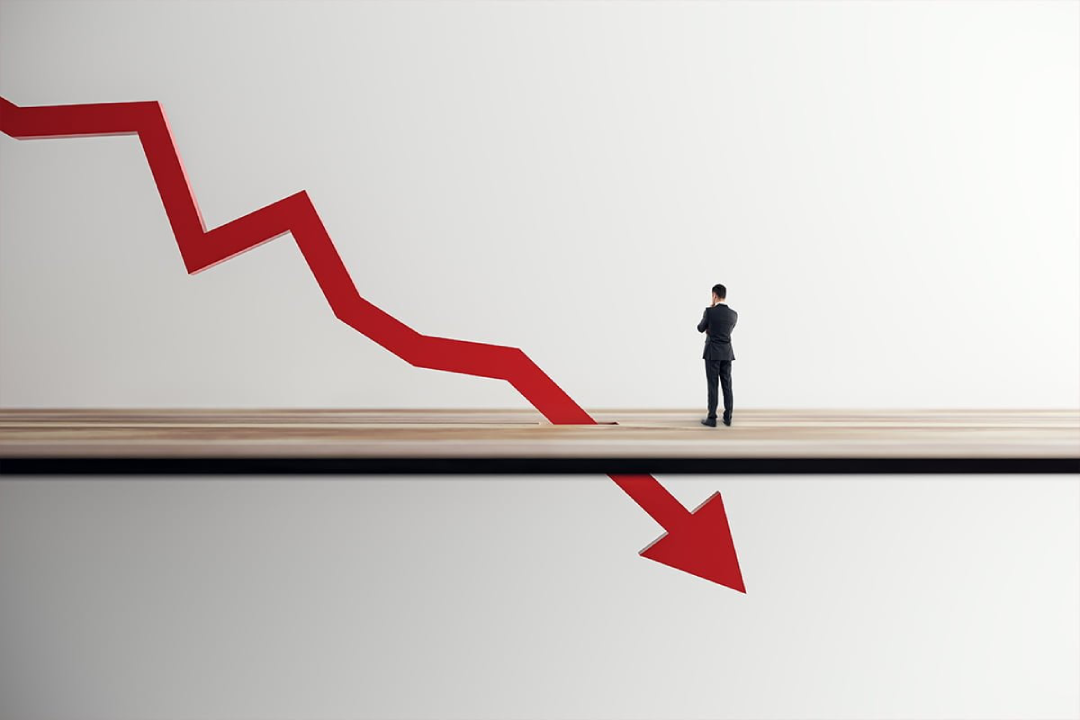
When an employee is diagnosed late with cancer or a chronic disease, the human cost is devastating - but the business cost is also enormous. Recent research shows that long-term sickness absence has reached its highest level in over a decade, averaging 9.4 days per employee per year-up from 7.8 days in 2023 (CIPD 2025)(CIPD).
Behind those numbers are productivity losses, rising group-risk premiums, and additional strain on already-stretched colleagues. According to Keep Britain Working report (2025), poor workforce health is now costing UK employers £85 billion a yearin lost output (GOV.UK).
Yet most of these costs are preventable. The problem isn’t overspending on benefits - it’s under-investing in prevention.
Why early detection matters
Early detection is one of the few interventions that simultaneously saves lives and reduces long-term costs.
Cancer Research UK reports that people diagnosed at Stage 1 have survival rates up to 80–90%, compared with under 20 % for Stage 4.(Cancer Research UK)
The NHS Long Term Plan notes that earlier diagnosis could save 55,000 lives a year and significantly reduce treatment costs.
Increased Awareness: Regular screening encourages individuals to monitor their health and report symptoms promptly.
For employers, every early diagnosis can mean shorter absence, faster return-to-work, and lower medical claims.
A 2024 analysis by Vitality Health found that staff with unmanaged or late diagnosed conditions cost employers twice as much in lost productivity compared with those detected early. (Vitality Britain’s Healthiest Workplace 2024)
Graham Yearsley, Principal Consultant at firm Quantum Advisory, adds, “As employees demand more protection for themselves and their families from their employers, it is important to offer more preventative solutions around the health issues that matter to employees. The benefits for businesses are realised in reduced claims and lower costs on health insurance premiums down the line.
"Quantum Advisory is happy to be working with Klarity to help businesses provide proactive early cancer detection benefits."
The financial impact on employers
Let’s break down the cost of inaction:
| Impact Area | Example Cost | Source |
|---|
| Lost productivity | £85 billion a year to UK employers from poor health | Keep Britain Working Report |
| Cancer-related absenteeism | Average of £15,000 per employee per cancer case | Macmillan Cancer Support |
| Rising PMI premiums | 12.6 % increase in UK PMI costs in 2024 | WTW Global Medical Trends |
| Long-term absence | 9.4 days per worker on average | CIPD |
These costs compound year-on-year. A lack of early detection doesn’t just mean higher claims today - it inflates renewal pricing, damages productivity, and widens the gap between best-in-class and lagging employers.
The cost of “benefit blindness”
Many HR teams still don’t have clear visibility of what’s driving claims or sickness absence. Without predictive insight, it’s difficult to quantify risk or make a business case for change.
HR leaders say they lack sufficient data to demonstrate ROI on wellbeing spend.
Benefits continue to be deployed reactively rather than proactively.
By the time an employee reaches the treatment stage, prevention opportunities are lost.
This lack of data-or “benefit blindness”-leads to well-intentioned but poorly targeted programmes that fail to reduce risk.
Prevention economics: a better equation
Predictive + Targeted = Smarter Spend
Using predictive models like, Klarity, employers can:
Identify high-risk individuals for targeted benefits, such as cancer screening, to avoid blanket costs for all employees.
Cut waste on benefits spending and provide benefits that meet the needs of the whole workforce.
Link anonymised health insights to absence, claims and demographic data to plan, rather than looking back at what has happened (although still important).
The human and cultural dividend
Beyond cost, early detection sends a clear cultural signal: your people matter. Employees who feel supported are 2.5× more likely to stay for three years or longer and 1.8× more engaged at work (Gallup State of the Global Workplace 2024).
It’s a virtuous circle: better health leads to higher performance, which strengthens culture and reduces further risk.
Conclusion: Waiting is the most expensive option
The numbers are clear-doing nothing costs more. Employers that continue to rely on traditional, reactive benefits models will face rising premiums, declining productivity, and widening wellbeing inequality.
By investing in predictive health assessment and targeted screening, HR leaders can cut costs and improve outcomes. The future of employee health isn’t about spending more-it’s about spending smarter.
Book a FREE demo today
Book a Klarity Risk Assessment demo today to understand how early detection and predictive insight can transform wellbeing outcomes and financial performance.